
How to Have a Successful Return to Campus After Studying Abroad
By Zach Roos
Fall 2025
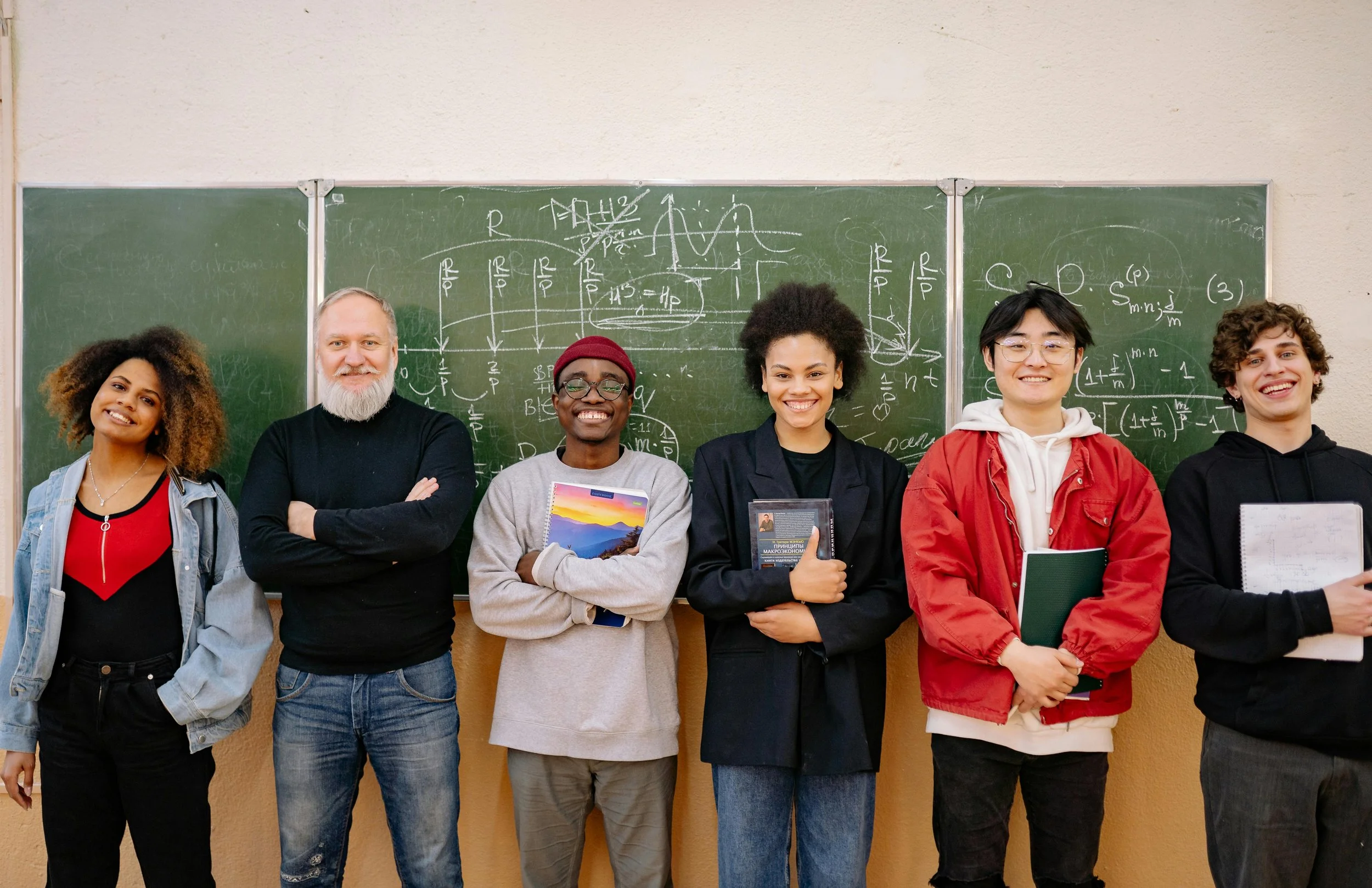
College is an exciting time in everyone’s life, a time for new experiences and adventures that some students didn’t think were possible. Studying abroad is an opportunity that no college student should pass up; it allows you to travel the world, learn, and explore different cities, cultures, and even day-to-day life. While it is a fun and exciting experience for many, something that not every student is aware of is the struggles that come once they return to campus. Being abroad is a big change for everyone and can take a long time to adapt while you are away, but as it is hard to adapt to a brand-new country, it is equally hard for students to return and adapt back to campus life. But one thing you should know is that you are never alone. Here are ways that you can thrive after returning to campus! From recognizing if you are experiencing reverse culture shock and what resources you can use to combat that, to staying degree motivated and staying in touch with all your friends from around the world.
My Story
I started my college journey in community college, and while it was a great way to save money and get my Gen-Eds out of the way, I still felt that I needed to get away and try something new while I still could. I decided to participate in the Disney College Program, in which I would move to Florida and work at Disney World for a semester.
Although the program is within the United States, it still shares many of the same experiential and developmental benefits of being abroad. To be specific, it shares the task of moving to somewhere completely new without knowing anyone around you while having live completely on your own. It also allows you to connect with people from all over the country and all over the world. In my time there I had roommates from Australia, Japan, Mexico, and Nicaragua, all of which I still stay in contact with now.
I enjoyed every second of my program and developed many critical life skills while also building memories and friendships that will last a lifetime. But alongside that came the challenges of having to eventually leave. While participating in the program, you are living with and interacting with people from across the globe every single day. So, when you leave, so are many of the friends you’ve made. It leaves the thought that even if you go back, it will never be the same.
Leaving the program was one of the hardest things I have ever had to do. You create a new life with all new friends and coworkers that you have to say goodbye to. One thing that I could never wrap my head around was that I had become so close with so many of these people, and I may never see them again.
Once I was home, I really struggled because all my close friends were now across not only the country but the globe as well. I felt alone. I was used to working full-time hours, and now I had to go back to being a full-time student.
Depression in College
Although College is supposed to be one of the best times of our lives, students across the globe struggle with depression in college. The root of depression could be coming from a variety of different aspects of college, whether it is financial, academic stress, or even just homesickness. Depression plagues across every college campus. Although everyone is excited for college to start, we are still creatures of habit, and college comes with a lot of new changes that can throw kids into a spiral if they’re not taking care of themselves mentally. College is a big change to begin with, and moving to an entirely new country is an even bigger one. This can cause students who study abroad to be susceptible to depression, even among students who have never experienced it. Whether it is when students arrive in the country they’re studying in or upon re-entry.
What is Reverse Culture Shock?
The largest challenge when returning to campus after being abroad is Reverse Culture Shock, in which students struggle to readapt to their own culture. This can cause students to struggle to stay academically and degree motivated, have trouble reconnecting with old friends, and even feel isolated and alone. Students struggle mentally when adapting back to campus life, which can lead to a lack of motivation in their schoolwork and their effort with their friends.
Common Signs of Reverse Culture Shock
Restlessness
Boredom
Depression
Uncertainty
Confusion
Isolation
“Reverse homesickness”
Lilly Hanslik, a junior at Marquette University who studied in Italy this past summer, shared how there are many little things that change in your life while you’re abroad based on their culture, and when you come back, readjusting can be difficult. “Nowhere here is a walkable city, and I loved being in a walkable city. I was walking 20,000 steps a day; it was the healthiest I felt since being a full-time athlete in high school.”
One aspect of reverse culture shock that not many thinks of is that when students return to campus after being away for a long time, they think it is going to be exactly the exact same as how they left it. But even in a short amount of time, a lot can change, whether that’s physically, structurally, or scenery-wise, or even mentally within your relationships and friendships. This causes students to feel out of place; they must readjust to what feels like a brand-new environment to them. The effects of Reverse Culture Shock can take a long time to go away, and some may never even go away.
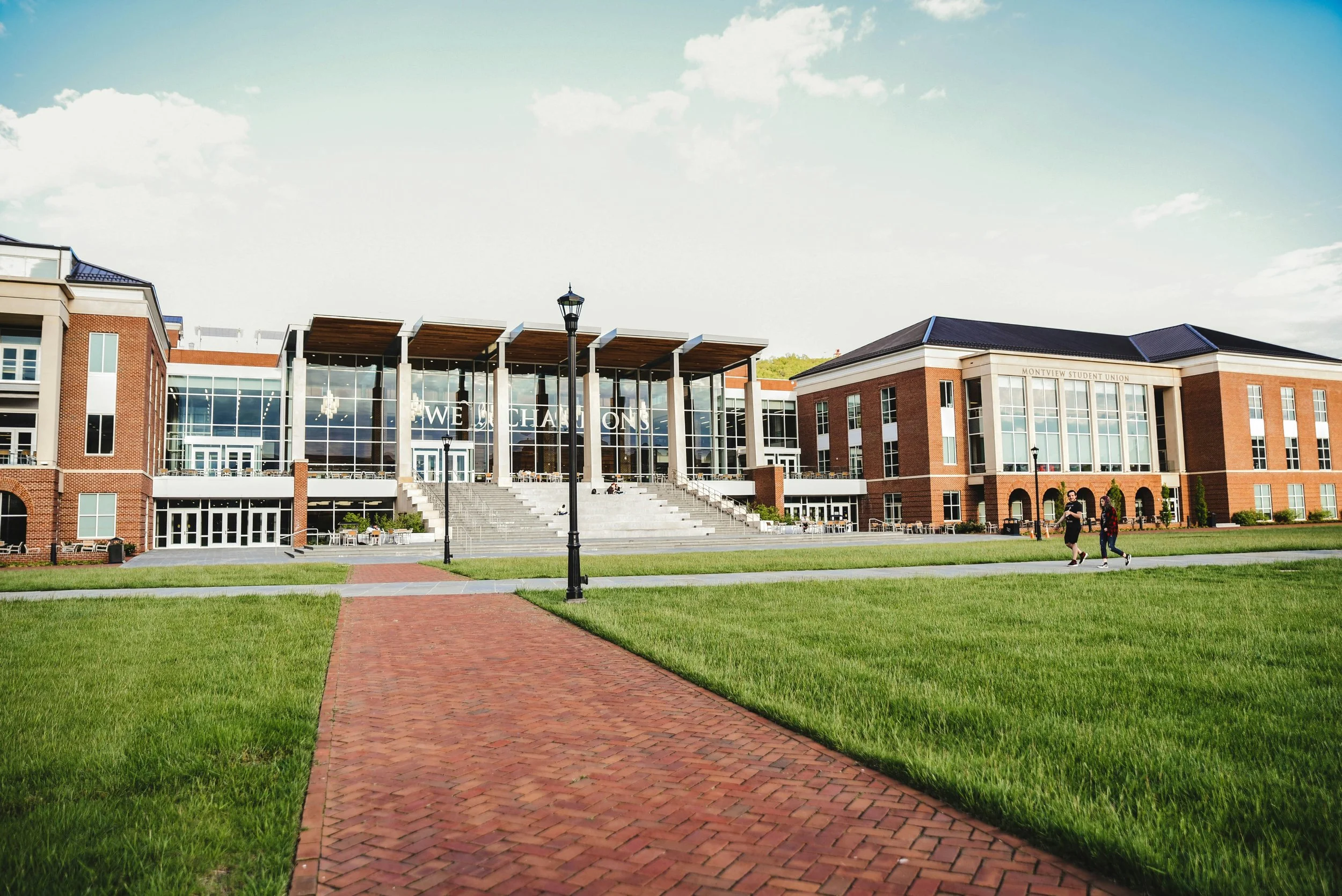
One aspect of reverse culture shock that not many thinks of is that when students return to campus after being away for a long time, they think it is going to be exactly the exact same as how they left it. But even in a short amount of time, a lot can change.
Staying Degree Motivated
College for many can be the first time for many that they’re living on their own and the first time they experience freedom. It is not uncommon for students to get excited from the new freedom they now have and start to focus more on the fun aspects of college rather than the academic side of college. Studying abroad becomes the ultimate test in this scenario, because suddenly, you have the freedom to travel to a new country whenever you please and explore for a semester. Now, students return to their small college town, and their desire to be a successful student disappears; all they can think about is their new hunger to travel more. Anna Dinger, a Disney Programs Advisor, shared, “I was the happiest I’ve ever been here, and I was only going back to school because I felt like I had to.”
We are all young, and in our society, we are surrounded by older people we trust constantly say to us, “Do it while you’re young, because it only gets harder when you get older.” Students no longer want to be stuck in a small college town, and all they want to do is explore. This causes students to lose sight of the degree they have been working for their entire lives. Suddenly, it feels like our degree is tying us down from being able to do what we truly desire. Hanslik emphasized how she was worried about being degree motivated once she returned but she pushed the emphasis of keeping your friends from school as close as possible cause it keeps you excited to be at school. Traveling will always be there after you graduate, try your best to stay motivated in your academic endeavors, and enjoy your time with your friends.
Connect and Reconnect
We make friends for a reason, and while away, you have probably made new connections or relationships that will last for the rest of your life. Which can make returning to campus just that much harder. Having to leave behind a new life you created can be very challenging, especially if your heart is still where you left.
After being away for a while as well, some may find it challenging to reconnect with their friends from campus. Dinger emphasizes to students, “Even if you leave somewhere, life goes on…sometimes it doesn’t have as big of an effect as you thought it was going to on other people.” Once you return, it may be a little awkward to reconnect, but jump right back into those relationships with the friends from your campus, and make it seem like you never left. Life went on for them while you were away. It may be an adjustment if you’re used to the friends from where you were abroad, but do everything you can to preserve your prior relationships. This could be a very vulnerable time; surround yourself with the people you already know and trust.
While reconnecting with your old relationships may help on campus, I know you want to stay in touch with the new friends you made while abroad. Long-distance relationships are hard in every scenario, whether it is a significant other or even just a friend. Having to go from seeing someone every day to only being able to see them through a screen can be very difficult and frustrating. Dinger mentioned how she stays in contact with all her closest friends from her program almost every day and pushes to all the current kids in the program to keep your friends from the program as close as possible. As someone who has been in a long-distance relationship for the past two years, let me tell you, it does not get easier. But there are plenty of fun and exciting ways to connect even with distance.

5 Easy Long Distance Date Ideas for Couples and Friends
Start a new show
Starting a new show is one of my personal favorites because it gets you excited every week, because you are waiting for a new episode. It helps make time go fast in between being able to see them, and it is something that you guys can talk about in between each episode.
Drawing Night
Another one that is very easy and can be whatever you make of it, it can be a competition or just something to help take your mind off things and enjoy the time with your partner.
Plan a Trip
This one might be a little expensive, but it is the most fun because it means you get to see them. Whether it is one person going to visit the other or going somewhere new. It really helps to have something planned, because it always gives you something to look forward to.
Create a shared playlist
Creating a shared playlist is a great way to relive memories with your partner or friends. It is also a good way to make you smile when you miss them, because once you turn the playlist on, it feels like they’re with you.
Rank and Compare
This one is a little bit more niche, but it is one that is very fun. Pick a topic, whether its favorite movie characters or even just favorite songs, and then have everyone create their ranking and compare with each other.
On-Campus Resources
Once you return to campus, there are many ways to stay involved to help ease back into campus life or connect with others who were also abroad or students who are from the country you studied in. Rachel Birkley, the Associate Director of Study Abroad at North Central College, pushes the importance of connecting with other students who have also studied abroad. “Even if students studied in Japan versus a student who was in England, they still have a lot in common about the bubble that they created.” She goes on to emphasize how it may be a different cultural experience, but students can share many different personal experiences that may have made their experience easier or more challenging. These types of interactions are important when re-integrating back into campus life because they show you that you are not alone, and you are surrounded by students who have had very similar experiences.
Another way to get involved on campus would be joining an international club or a culture club for the country you studied in. Birkley stated from her own experience that after living in Spain for a long time, Spanish became her primary language, so having to adjust back to primarily speaking English was a challenge. She emphasized the importance of having a space to be able to continue to speak the language.
Along with continuing to speak the language, you are also still connecting with a culture you are very familiar with and potentially students on your campus who are from that respective country. Building friendships with people from around the world and understanding different cultures is a great skill for many reasons. The National Library of Medicine did a study that examined the effects of valuing friendships on people’s health, happiness, and well-being on 323,200 individuals from 99 different countries and concluded “the importance of considering not only how much people value friendships but also the situating social relationships within broader individual and cultural contexts.” The importance of friendships around the globe has infinite implications, but a great place to start is on campus.
Final Advice
College is a land of opportunity; take the chances while you still can and don’t be afraid to try something new. Studying abroad is an amazing opportunity and can lead to plenty more opportunities. But always take care of yourself along the way. Keep all your friends close, whether they’re your roommate or live across the globe. College is expensive and stressful. Utilize everything your campus has to offer and never be afraid to reach out if you need it. You are surrounded by a plethora of resources and people who want you to succeed and have experienced the same things you might be going through. Go out of your way to connect with someone on campus who also just returned and who knows you may be helping them more than they are helping you.

Zach Roos is a junior at North Central College, pursuing a bachelor’s degree in marketing with a minor in finance. He is a devoted student who works hard every day to try and become the best version of himself. He participated in two Disney College Programs during his freshman and sophomore years and hopes to inspire more students to participate in the program or study abroad programs. Outside of school he is a former athlete who played golf and baseball, he continues to enjoy golfing, going to the gym and playing softball with his dad and brother.