
How to Succeed as a First-Generation College Student: A Guide
By Leah Kruzel
Fall 2025

Being a first-generation student, a student whose parents did not attend college or earn a college degree, is something to be proud of. You’re the first in your family to navigate the college world, ultimately setting an example for future generations in your family. While this is exciting, it can also be extremely stressful and daunting. First-generation college students are more likely to experience challenges than students whose parents graduated from college, Ashley A. Hansen-Brown et al says. While your peers who are continuing-generation students are easily finding their way, you’re struggling and don’t even know where to begin. A study from California State University says that first-generation college students may have trouble understanding the college system, which can increase stress. While you’re trying to learn and navigate the college system, your parents also may not understand the college system either. Your parents might not understand financial forms like FAFSA, campus organizations and expectations, mid-term and finals pressures, and the list can go on and on. College is not only new for you, but also for your parents, something that continuing-generation students may not relate to. And it depends, whether or not you have family support; it can feel like you’re going through the motions alone.
Despite the challenges, finding success in college as a first-generation student is definitely attainable with the right mindset, motivation, and hard work. Starting college is a start to a new chapter in your life where you’re learning to balance adulthood, life at home, and life on campus. In this blog post, I’ll be going over three topics that can help a first-generation student succeed in college:
Balancing life and school (family, social life, and academics)
Developing time management skills (studying, homework, organization)
Building connections (on campus and off campus)
These three topics will help a first-generation student succeed and lead you onto the right path in your college career.
Balancing Life and School: Managing Family, Social Life, and Academics
Being a first-generation student means that your college experience often extends beyond classroom walls. You not only have schoolwork, exams, campus activities, and clubs, but you most likely have obligations outside of school. This includes taking care of family, completing chores, and possibly having a job outside of school. It can feel like a lot at times, a weight almost crushing you constantly, and it can be hard to find time for yourself. As a first-generation and commuter student myself, I struggle with finding time for myself and balancing various responsibilities in between busy days. For a lot of first-generation students, family is incredibly important; however, that comes with responsibilities.
It's important to set boundaries with your family. Communication is key here; explain the school schedule you have, clearly explaining when your classes take place, how much schoolwork you have to get done, how much time you need to allocate to study, and when you can help at home. You never want to feel burnt out; you’ll lose motivation very quickly that way. It’s important to have these conversations with your family because they don’t fully understand the demands that school can have on students. It has been shown that first-generation college students lack basic knowledge about college, Deanna L. H. McFadden says. Because I’m a first-generation student living at home as a commuter, it has taught me that the best way to find the balance between family and school is to be honest and communicate your boundaries. Explaining to your family that you need quiet time to study or setting aside specific times to spend with family will help reduce stress and misunderstandings. Also, don’t be too hard on yourself either. Being a first-generation college student is challenging and comes with many roadblocks and obstacles, and it will take time and consistency to figure out the best ways for you to be successful while also maintaining positive relationships with your family.
On the note of not being too hard on yourself, make it a priority to make time for yourself and time with friends. Because of my experience as a first-generation and commuter, I know firsthand how social life on campus can be difficult. It’s harder to feel involved on campus when you’re not in a dorm and unable to attend social gatherings on campus. Instead of letting this be a setback, start putting yourself out there. Of course, this is easier said than done; however, make an effort to join clubs, sports teams, attend first-generation support workshops, or attend activities on campus. Many colleges have a variety of clubs and opportunities to get involved, and it’s important as a student to take advantage of these opportunities!
During my time at North Central College, I have been a part of the Cardinal First program, a program for first-generation students. Being surrounded by students who relate to my college experience and faculty who are willing to support me in any capacity is truly one of the best things to happen during my time in college. A study from the University of San Diego has shown that first-generation college students who have increased interactions with other first-generation college students show an increase in success during their time in college. “We encourage question asking, please come and ask us questions, knowing that they have someone they can go to and ask questions (first-generation team at Cardinal First) is important for Cardinal First,” advises Julie Carballo, Assistant Dean of Students for First-Generation and Military Affairs. It can be hard to navigate college, especially during freshman year; however, having that supportive group in my corner made it feel like it was possible. I highly recommend exploring what opportunities your campus offers; you’ll thank yourself later.
It is reasonable for me to also assume that everyone’s schedules are different and circumstances vary. If you’re unable to attend clubs or activities on campus, don’t panic! Honestly, one of the easiest ways to make connections and feel connected on campus is through the classroom. Talk to your classmates, you may surprise yourself and find a new best friend. Of course, it doesn’t happen overnight. I started really finding friends and connecting with people in my sophomore year. Everyone is different, but as an introvert who was extremely shy throughout high school and the first couple of years in college, it took me an entire academic year to finally find a group of friends in my classes. Finding these connections (trust me, they’re out there) will help you feel more connected on campus and feel less lonely.
Now, let’s talk about “me time,” AKA an introvert’s favorite time of day. Everyone always hears about how building friendships and support systems on campus is important (and it is!), but it’s also important to allocate time for yourself. Burnout is real and can sneak up on you very quickly if you’re not careful. Constantly managing and prioritizing your family expectations, school responsibilities, and even spending too much time and energy on campus activities can be draining. It’s important to find a balance and sometimes selfishly spend time for yourself. Find the time, or make the time, to do the things that you enjoy. This can include working out, reading, spending time in nature, or simply resting at home. Don’t be too hard on yourself, either. If college has taught me anything, especially in my senior year, it is not to be too hard on yourself if you’re “not getting enough done” during the day. Carballo advises to “get comfortable with the uncomfortable.” The transition to college is uncomfortable, and you may plan a list of everything you want to accomplish in that day, but you might not be able to complete them all. Nevertheless, what needs to get done will get done. I advise that you prioritize your well-being and do what you can, when you can.
Developing Time Management: A Strategy
A skill that can make or break your college experience is time management. As a first-generation student, I often have to figure out everything from scratch, making this skill even more essential. Between classes, assignments, part-time jobs, and commuting, it can feel like there aren’t enough hours in the day.
Start by learning how to be organized. Being organized helps to keep track of what you need to accomplish daily. Use planners or calendar apps on your phone or laptop to keep track of when things are due, what time you have your classes, when you have work, and your personal commitments. It can be very easy to lose track of when things are due and what is coming up in each of your classes. College is fast-paced and gives you more freedom, which means that you need to grow your independence as a young adult and keep track of what needs to be done. A study from California State University says that by using a planner and making a daily plan, you’re setting yourself up for success. A lot of first-generation students could benefit from being organized; organization and the use of planners or calendar apps create structure, which can decrease uncertainty. Sarah Elkhateeb, a first-generation student at UIC in Chicago, advises that “staying organized will really help you throughout college, make sure you use a planner and plan your time out efficiently. I love writing down my assignments in a planner. I find that using a physical planner keeps me motivated and helps me keep track of the assignments I need to complete.” Planning and keeping track of your schedule can give you clarity, knowing what responsibilities await your attention. I love using planners for school because planners allow me to keep track of important deadlines, and in a way, it’s a type of motivation. Checking things off your to-do list is just so satisfying!
My experience of being a first-generation student has helped me so much when navigating commuter life. As I mentioned previously, first-generation students are typically learning from scratch. You have to learn how to be independent very early on. A study shows that first-generation college students are more prepared for independence in college because of their prior work-related experience during high school, says Lisa Minicozzi and Allison Roda. Something that my high school swim coach used to tell my team and me is that: “Arriving early is on time, arriving on time is late.” As I’ve grown up and am now in my senior year of college, this statement has proven to be true (and not just for swim practice). As a commuter, I have to efficiently manage my time so that I’m driving and getting to campus on time, completing assignments when they’re due, studying for exams, going to my part-time job, all the while living at home and making sure I’m tending to family responsibilities. The best tip I have when it comes to balancing all these responsibilities is to give yourself extra time and plan ahead. If you’re a commuter, treat your drive to campus as a part of your school schedule. For example, if you have a class that starts at 9:30 AM, and you live 20 minutes away from campus, make sure that you’re leaving your house around 8:30 AM. Give yourself that extra time, because often, unexpected situations can occur. This tip seems simple; however, you’ll find that giving yourself that extra amount of time will make your commute to school much smoother and stress-free.
Just like driving to school and planning ahead, avoid procrastination. Procrastination is completely normal, and I’m sure every college student has experienced this at least once throughout their college career. A study from California State University shows that about 30% to 60% of first-generation college students postpone their school tasks, including studying for exams and completing assignments for class, which ends up decreasing their school performance. It’s important to learn how to develop self-discipline to become productive. Procrastination can stem from the fear of failure or perfectionism, traits that many first-generation students feel when there is pressure to succeed, a study from the University of Alabama says. To mitigate procrastination, try to use the Pomodoro Technique. Marissa Gaigalas, Associate Director for First-Generation and Military Affiliated, advises that “I do recommend the Pomodoro Technique that we do teach to first-gen students, that technique teaches productivity in intervals.” For example:
Working for 30 minutes with a 5-minute break
Working for an hour with a 10-minute break
The Pomodoro Technique gives students the autonomy to choose whether they work better in shorter or longer intervals, Gaigalas says. It can keep your mind fresh and prevent burnout when completing assignments or studying.
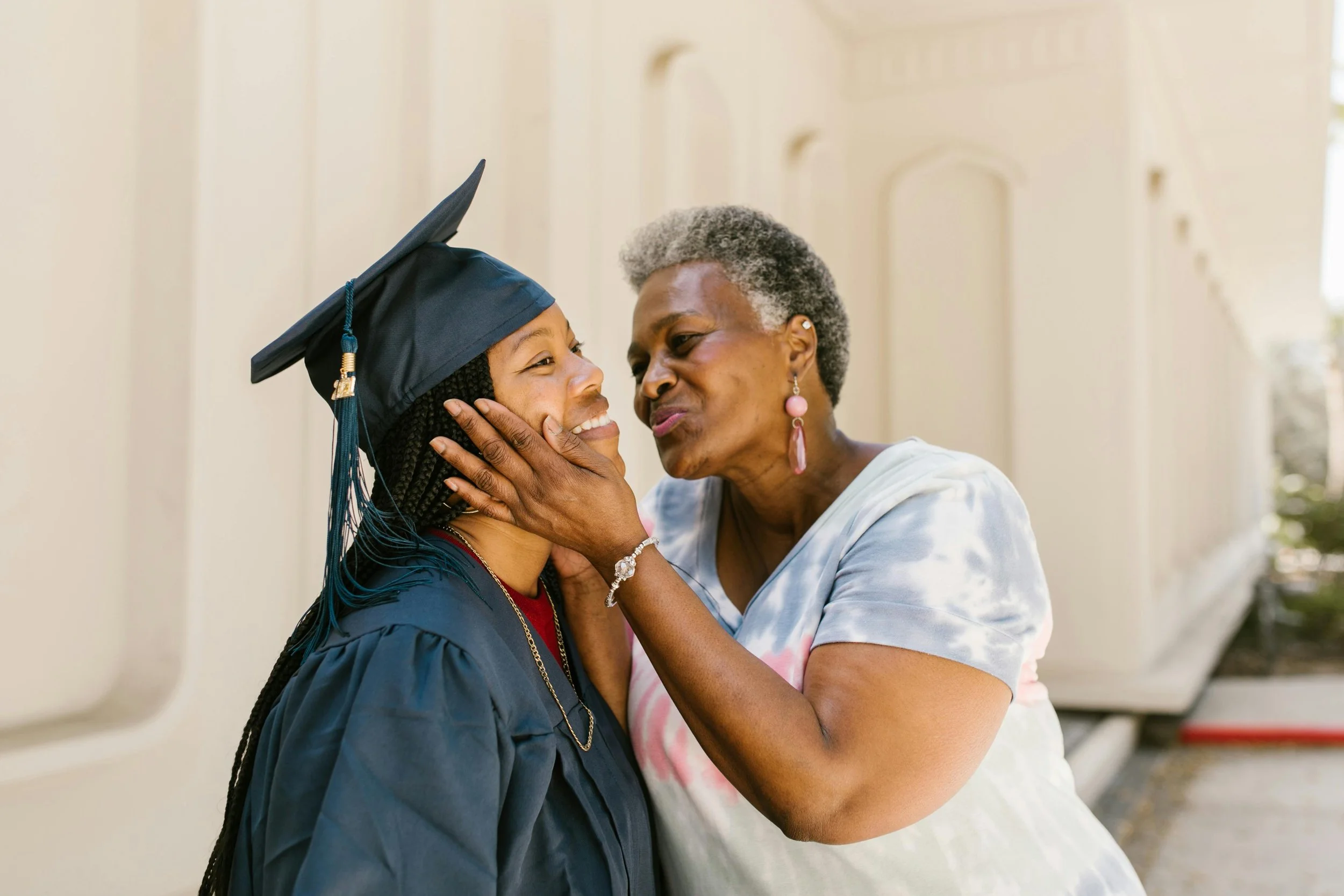
Being a first-generation college student is challenging and comes with many roadblocks and obstacles, and it will take time and consistency to figure out the best ways for you to be successful while also maintaining positive relationships with your family.
Building Connections: On and Off Campus
An overlooked part of succeeding in college is building meaningful connections. Campus connections are your greatest resource throughout your time in college. Connections such as professors, advisors, and mentors can open doors to opportunities in the future. When first-generation college students connect with mentors, it can reduce their overall stress, a study from California State University says. I think it’s so important to keep a good connection with the professors and mentors in your field of study. I’m an environmental science major and marketing minor, and I keep in contact with professors I’ve had in previous years. It can definitely be daunting at first, and the thought of reaching out can be scary, but professors enjoy keeping in touch with their students!
I take advantage of the Cardinal First program at North Central College, and Cardinal First does an amazing job at hosting monthly workshops catered specifically to first-generation students. A cool part about the program is that a lot of the time, first-generation faculty are at these workshops to share their stories and tips for undergraduate students. These workshops are my favorite because they’re so inspiring to hear faculty talk about their stories, and it’s a great resource on campus for students to connect. I highly recommend finding something similar at your college or university or connecting with faculty through the classroom within your field of study. I still maintain a connection with a professor that I had during my freshman year, Professor Allison Hinton. I came into college having no idea what I wanted to major in, and I remember needing to have a class that fulfilled a general education requirement. I decided to take a course titled: The Science of Climate Change. I went in thinking that it was going to be just like any other class; however, I loved the material we were learning and made a meaningful connection with the professor in the end. You truly never know when you might need a connection in your professional life, and I strongly recommend starting those connections during your time in school.
Connecting on campus is beneficial; however, don’t overlook the connections you may make off campus. A study done at the University of Georgia showed that college students who had out-of-classroom experiences had positive results; they felt as though they “were a part of something.” Last summer, I interned at the DuPage Wildlife Conservation Center. I worked with resident and rehab animals and created amazing experiences during my time there. I learned a lot about the animals I worked with, and I was able to work with my supervisor, Alicia Biewer, who is a Resident Wildlife Supervisor at the conservation center. I went into the internship extremely nervous, and I had no idea what to expect. Over time, I got comfortable with the routine and working with Alicia. By the end of my internship, I was actually sad to leave, and even now, I do think back on the animals and people I was working with. I’m grateful for the experience and opportunities my internship gave me. Alicia influenced me in a lot of ways and taught me a lot about what it’s like to work in animal rehabilitation. This goes to show that a connection can be made even outside of school. Connections these days are everything, and you never know where these connections could lead you.
Redefining Success as a First-Generation College Student
Success can look different for everyone, especially for first-generation college students. Balancing your personal life and family expectations will always be a challenge and take effort. Learning how to implement boundaries with your family and communicating with them can help you throughout your college career. Also, learning how to effectively manage your time and connect with faculty and supervisors is a great technique to help guide you to become successful throughout college and after. These skills take time to learn and master, and it will take trial and error until you can become confident. Don’t give up when the pressure seems overwhelming! Every step you take, however minor, is a small victory. Being a first-generation student is something to always be proud of. You’re not only earning a degree, but you’re also creating a legacy for future generations in your family.
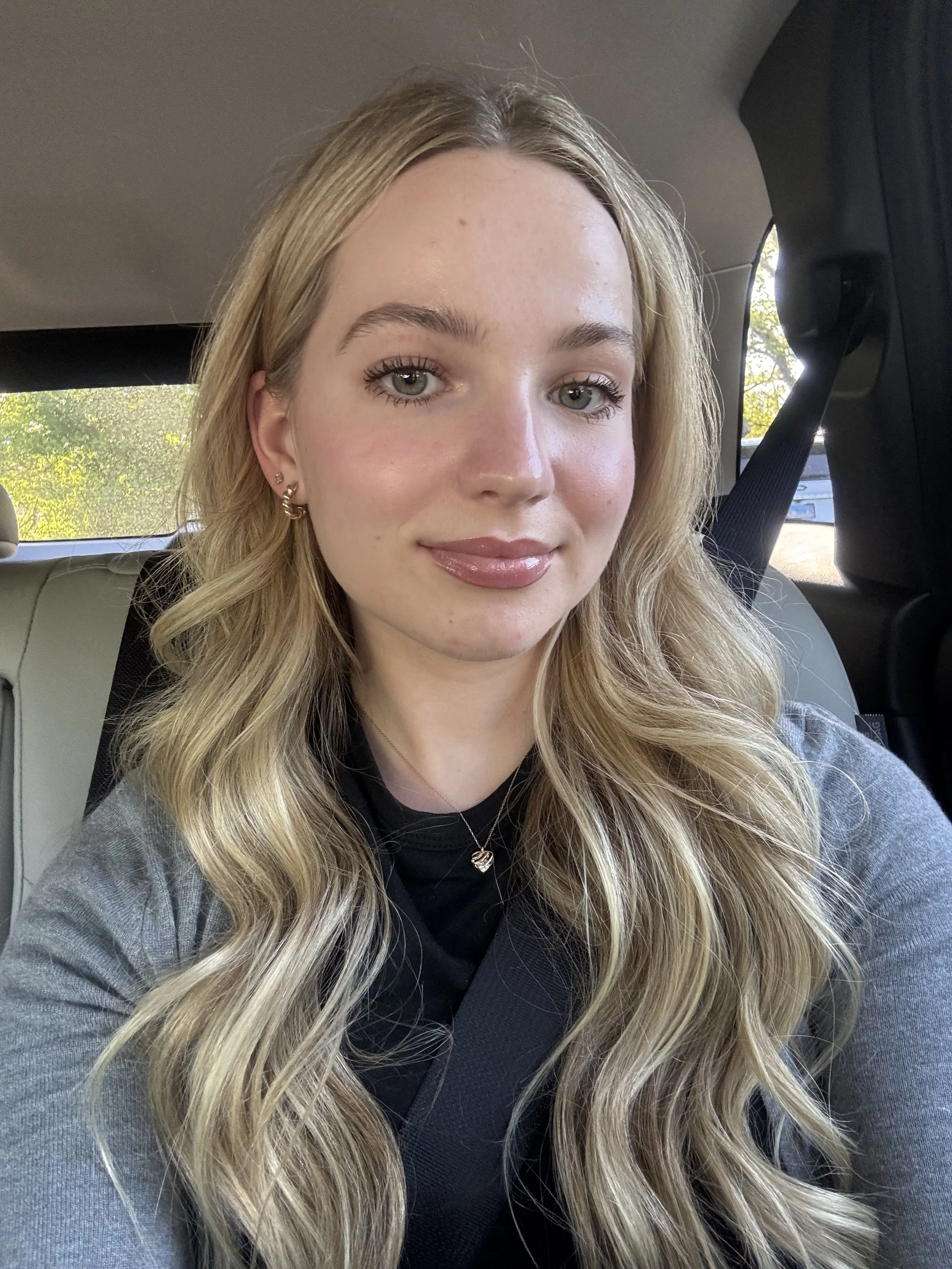
Leah Kruzel is an Environmental Science major with a Marketing minor at North Central College, set to graduate in May 2026. As a first-generation and commuter student, she has learned to balance academics with off-campus responsibilities, strengthening her independence. Leah is passionate about sustainability and wildlife conservation and has gained hands-on experience through her internship at the DuPage Wildlife Conservation Center. She hopes to pursue a career that empowers and educates others to make environmentally responsible choices.